OEM Portable Blender Manufacturer for Importers and Brands
Denocook manufactures rechargeable portable blenders for e-commerce sellers, brands and gift programmes under OEM and private-label terms. Our catalogue covers 300–500 ml models from 50 W to 150 W with 3.7 V battery systems, USB and Type-C charging, 304 stainless steel 6-blade units and a borosilicate glass jar option. Every order ships with your branding, colour box and battery transport documents.
OEM rechargeable portable blenders with custom colour, logo and packaging.
OEM, ODM and private-label programmes for importers, brands and retail buyers. Request a quotation with your target market and quantity, and we confirm specifications, MOQ and lead time within one working day.
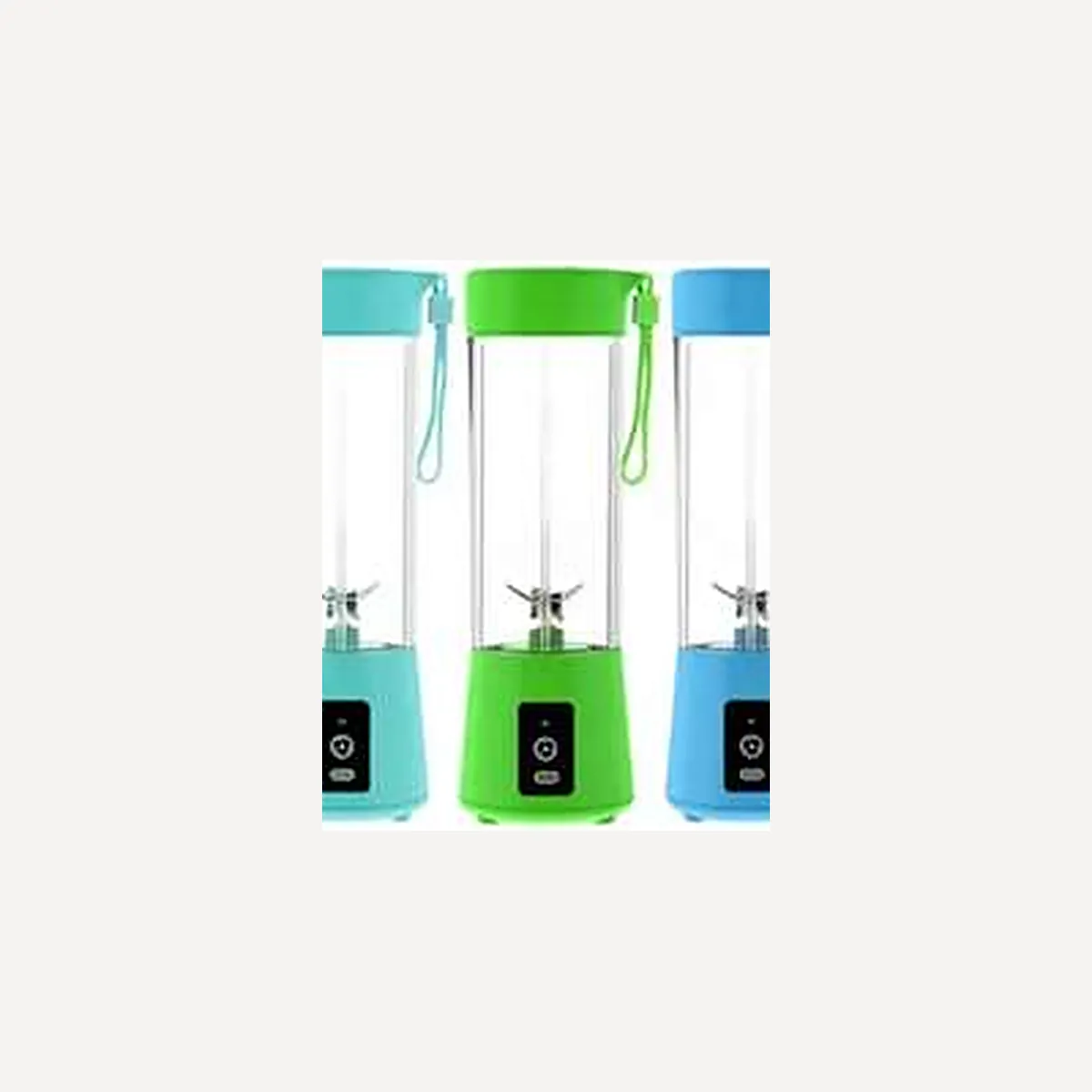
Models
| Model | Capacity | Rated power | Key features |
|---|---|---|---|
| A6 | 450 ml | 150 W | USB charge port, 2000 mAh × 2 battery; 450 ml working capacity |
| J001 / J001H | 380 ml | 100 W | Type-C charging; 380 ml working capacity |
| J01 | 450 ml | 80 W | Juicer and ice crusher; 450 ml working capacity |
| PB-101 | 300 ml | varies by version | Battery 1200 mAh or 700 mAh × 2; 300 ml working capacity |
| WT-805 | 350 ml | 50 W | Type-C charging, 1400 mAh battery; 350 ml working capacity |
| Y03 | 500 ml | 150 W | Type-C charging, 2400 mAh battery; 500 ml working capacity |
| Z08 | 480 ml | 100 W | USB charge port, 2000 mAh × 2 battery; 480 ml working capacity |
Portable Blender 450ml (A6)
450 ml portable blender, 150 W — the strongest motor of the cup line — with USB charging and dual-cell battery.
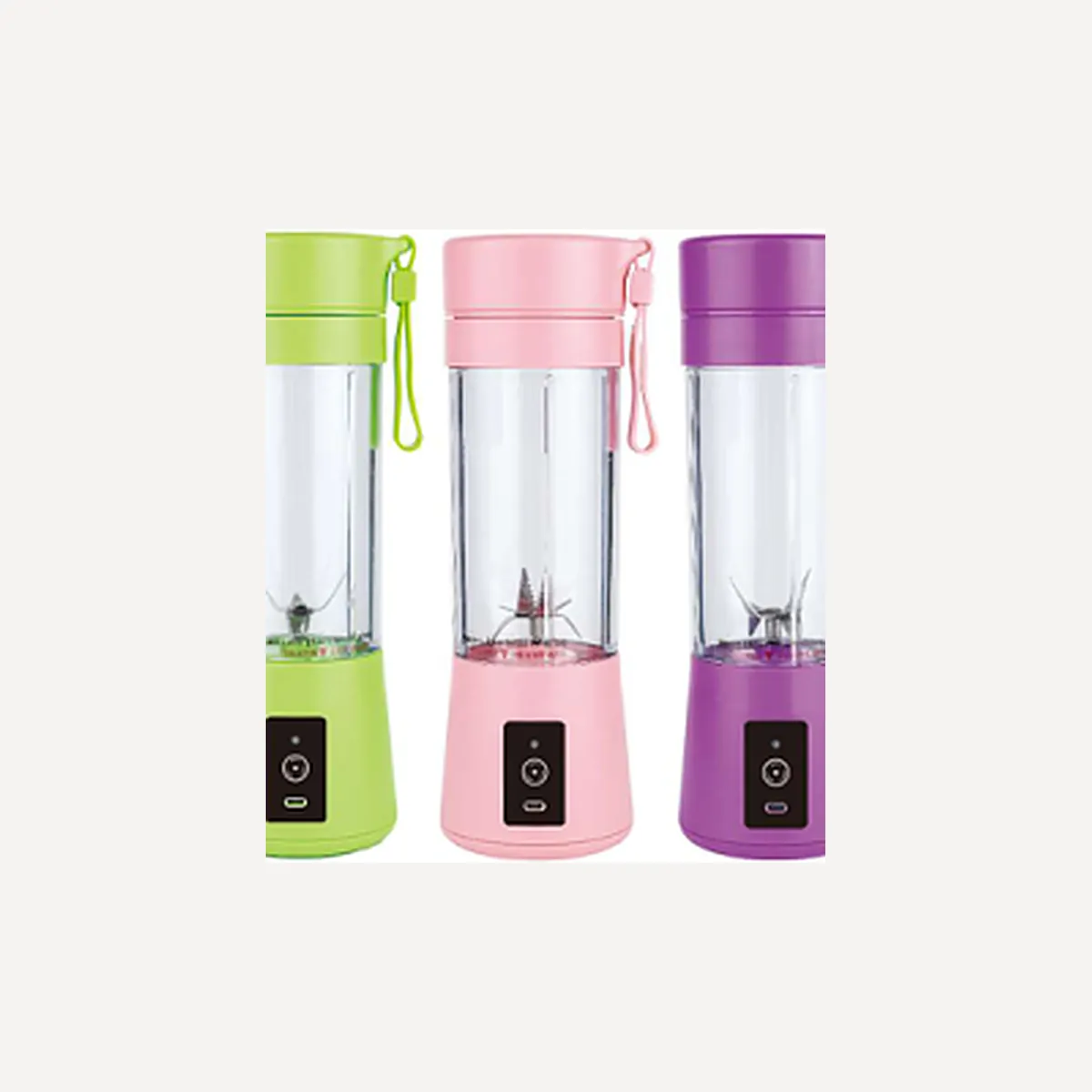
Portable Blender 380ml (J001 / J001H)
380 ml portable blender, 100 W, Type-C charging, 6-blade 304 stainless. Two battery configurations from one platform.
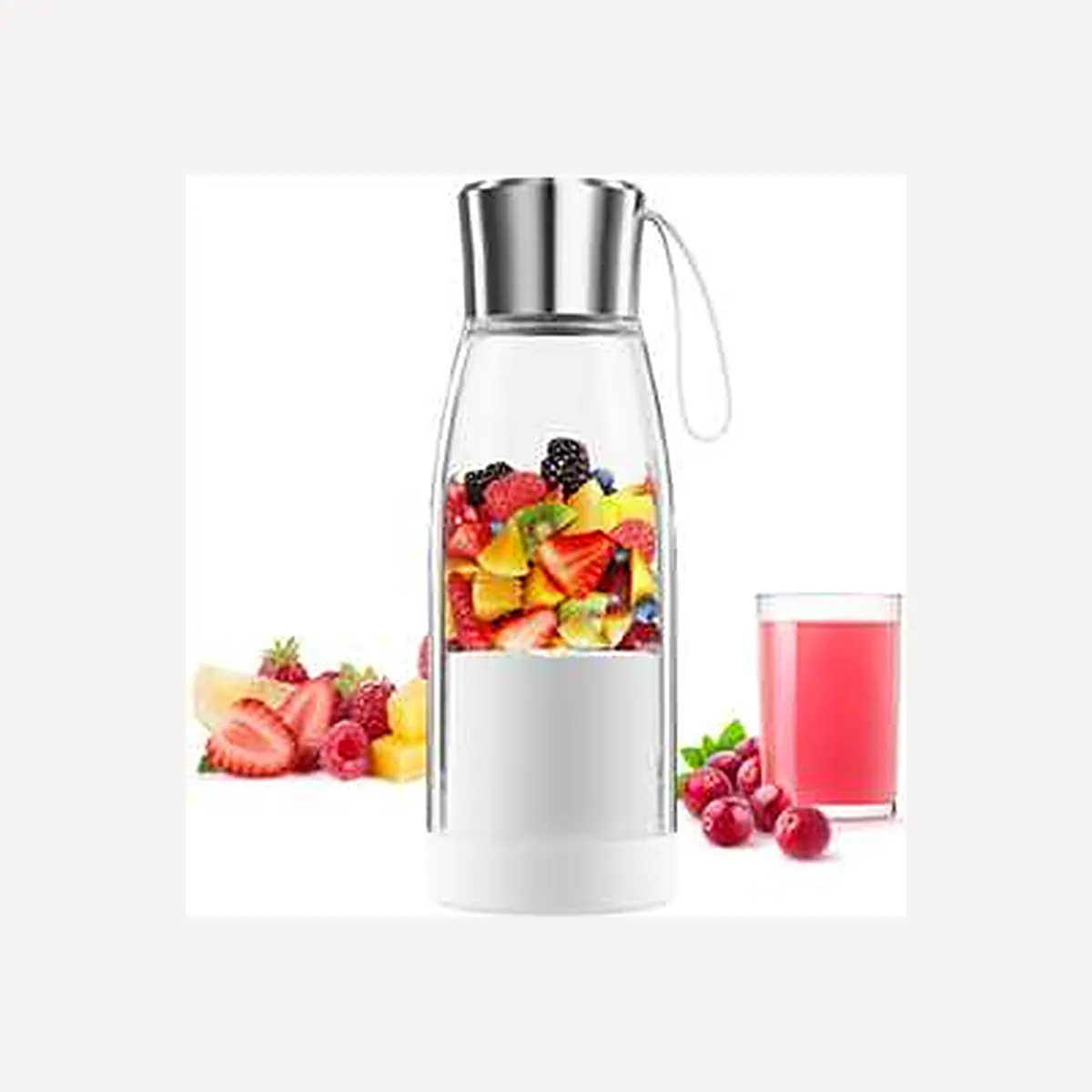
Portable Blender 450ml Juicer / Ice Crusher (J01)
450 ml portable blender with juicer and ice-crusher function, 80 W, 2000 mAh, Type-C charging. The multi-function cup.
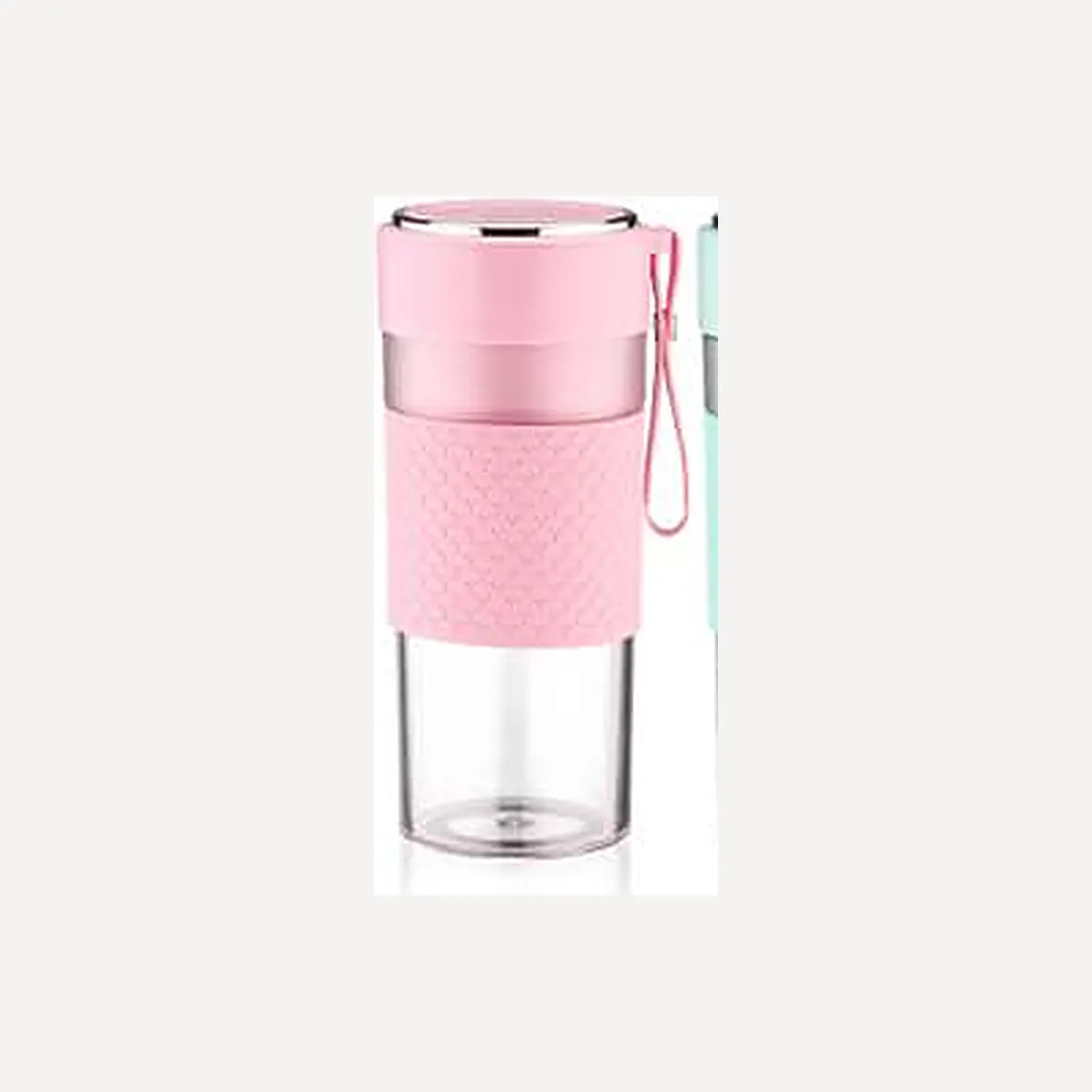
Portable Blender 300ml (PB-101)
Compact 300 ml portable blender with printed speed specs (15500/22000 rpm), dual-voltage option, 89 × 80 × 186.5 mm body.
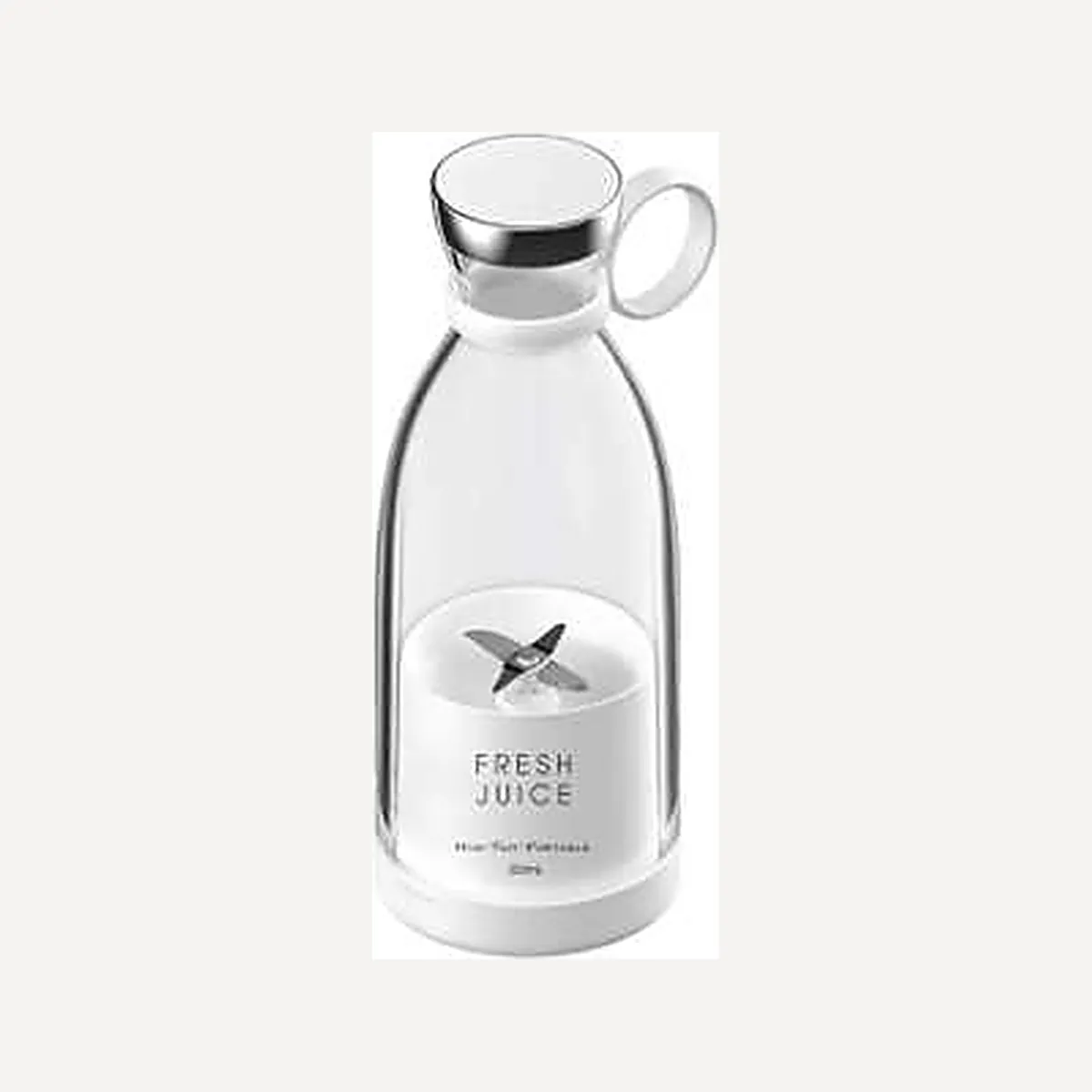
Portable Blender 350ml (WT-805)
350 ml portable blender, 50 W, Type-C charging, 1400 mAh, 6-blade 304 stainless. The lightweight value cup.
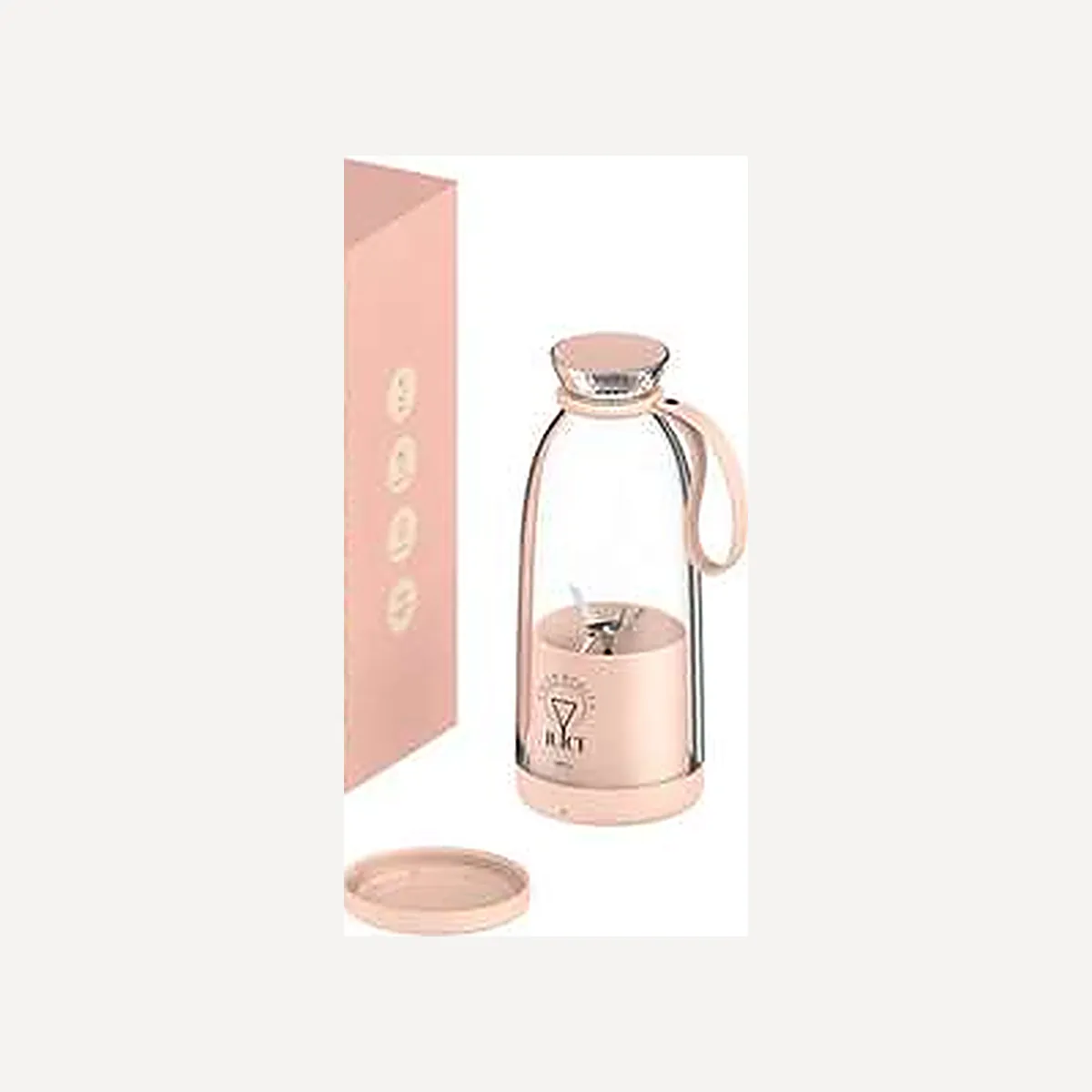
Portable Blender 500ml (Y03)
500 ml portable blender, 150 W, PCTG body, 2400 mAh — the largest cup and battery of the line. White, blue, pink.
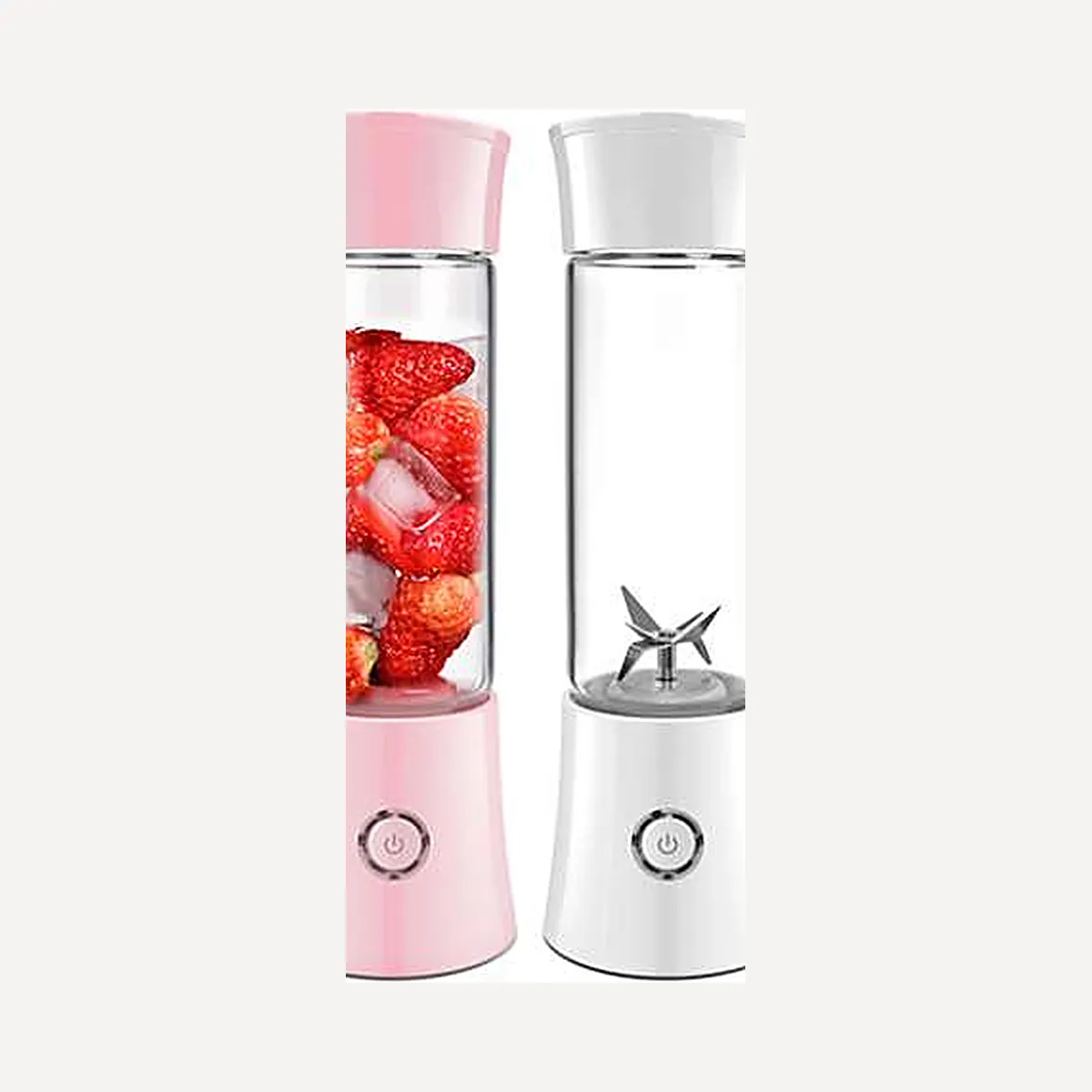
Portable Blender 480ml (Glass Jar) (Z08)
480 ml portable blender with borosilicate glass jar, 100 W, USB charging, 2000 mAh × 2. The premium jar option.
Why source portable blenders from Denocook
- One factory focus on countertop cooking appliances, not a trading company catalogue.
- Logo, colour, control panel and colour box made to your brand.
- Plug, voltage and documentation matched to the destination market.
- In-line and pre-shipment inspection on every order; third-party inspectors welcome.
Portable blenders we manufacture
Our portable blender range from the current catalogue covers the e-commerce and gift segments:
- J001 — 380 ml, 100 W. Type-C charging, 1,500 mAh battery, ABS housing with 304 stainless steel 6-blade unit.
- J001H — 380 ml, dual battery. Two 2,000 mAh cells for longer runtime between charges.
- Z08 — 480 ml, glass jar. Borosilicate glass jar, ABS surround, SUS304 blades, dual 2,000 mAh batteries, USB charging.
- A6 — 450 ml, 150 W. Dual 2,000 mAh batteries for stronger blending tasks.
- PB-101 — 300 ml. About 15,500–22,000 rpm depending on battery configuration; compact 89 × 80 × 186.5 mm body, 400 g.
- WT-805 — 350 ml, 50 W. Type-C charging, 1,400 mAh — the entry platform.
- J01 — 450 ml, juicer and ice crusher. 2,000 mAh, Type-C charging.
- Y03 — 500 ml, 150 W. ABS and PCTG jar, 2,400 mAh, Type-C charging — the large-capacity flagship.
Colours across the range: white, blue, pink, black.
What drives buying decisions in this category? Three things. Battery configuration, because it decides the blends-per-charge claim your listing can make. Jar material, because ABS, PCTG and borosilicate glass support different price and story positions. And colour, because portable blenders are bought as much on looks as on power — the white, blue, pink and black set in our catalogue exists because those are the colours that move in e-commerce. Decide these three first, and the platform choice follows quickly.
Portable blender types compared
| Type | Typical capacity | Typical power | Fits these channels |
|---|---|---|---|
| Mini USB blender | 300–380 ml | 50–100 W | E-commerce singles, gifting, promo bundles |
| Standard rechargeable | 450–500 ml | 150 W | E-commerce hero products, brand ranges |
| Glass jar version | 450–500 ml | 100–150 W | Premium positioning, plastic-free storytelling |
| Juicer / ice-crusher type | 450 ml | 80–150 W | Feature-led listings, higher price points |
Our catalogue covers all four formats; the table shows where each sits for range planning.
OEM and private label options
- Logo printing on the jar or base
- Custom housing and jar tint colours matched to your reference (standard set: white, blue, pink, black)
- Button and base graphics in your languages
- Battery configuration within the platform (single or dual cell)
- Manual languages per destination market
- Colour box design, insert and marketplace labels
- Battery transport documentation set with each shipment
Blender jars are the visual centrepiece of e-commerce listings — we support custom jar tints and matching colour boxes so the photo story stays consistent. See /oem-odm/ for the process.
Market versions: charging and certification
| Market | Mains voltage for charging | Charging port |
|---|---|---|
| European Union | 220–240 V | USB / Type-C |
| United Kingdom | 230 V | USB / Type-C |
| United States | 120 V | USB / Type-C |
| Australia / New Zealand | 230 V | USB / Type-C |
Portable blenders charge from USB adapters, so the product itself is plug-neutral; the market-specific item is the charging adapter if you include one. Rechargeable models ship with lithium battery transport documents in every market. See our market pages for certification and importer document details.
What to check when sourcing portable blenders
- Battery capacity versus claims. Match the mAh figure to the blends-per-charge claim on your listing — our platforms run 1,400 to 2 × 2,000 mAh.
- Blade count and material. 304 stainless steel 6-blade units are our standard; blade count drives ice and frozen-fruit performance claims.
- Jar material. ABS, PCTG and borosilicate glass each tell a different story; glass (Z08) answers plastic concerns but needs careful drop testing.
- RPM and motor power. PB-101’s 15,500–22,000 rpm range matters for smooth-texture claims; match the spec to your listing language.
- Charging port. Type-C is the current retail expectation; confirm it across your whole range for consistency.
- Battery transport documents. Every rechargeable shipment needs UN 38.3 and MSDS paperwork — confirm it is included before comparing prices.
- Colour set for listings. White, blue, pink and black cover most e-commerce colour stories; custom tints need larger quantities — ask us for model-specific data.
From enquiry to shipment
| Step | Content | Your action |
|---|---|---|
| 1. Enquiry | Model or capacity, market, quantity, customisation | Send via /contact/ |
| 2. Quotation | Itemised price, specification sheet | Compare on the same basis |
| 3. Sampling | Production-intent sample with printed box | Approve or comment |
| 4. Production | Assembly, battery testing, in-line inspection | Optional third-party inspection |
| 5. Pre-shipment inspection | Sampling against the agreed plan | Witness or delegate |
| 6. Shipment | Export packing, battery documents, container loading | Receive document set |
Ask us for model-specific data: kendra@denocook.com · OEM & ODM details: /oem-odm/ · Quality system: /quality/
Frequently asked questions
What portable blender models do you manufacture?
Our catalogue lists eight models: J001 (380 ml, 100 W, 1,500 mAh, Type-C), J001H (380 ml, dual 2,000 mAh batteries), Z08 (480 ml with a borosilicate glass jar), A6 (450 ml, 150 W), PB-101 (300 ml, about 15,500–22,000 rpm), WT-805 (350 ml, 50 W, 1,400 mAh), J01 (450 ml juicer and ice crusher, 2,000 mAh) and Y03 (500 ml, 150 W, 2,400 mAh). Most use ABS housings with 304 stainless steel 6-blade units, in white, blue, pink and black.
Which battery capacity should I choose?
Battery capacity drives both retail claims and shipping paperwork. Our models run from 1,400–1,500 mAh for light single-serve use up to 2 × 2,000 mAh dual-battery versions for heavier programmes, and the Y03 carries 2,400 mAh. Charging is via USB or Type-C across the range. Tell us how many blends per charge your listing should claim, and we will match the platform.
Are there glass jar versions?
Yes. The Z08 model uses a borosilicate glass jar with ABS surround and SUS304 blades — a premium positioning that answers the plastic-contact concern some buyers have. Glass changes the packaging design and drop-test requirements, so we recommend approving the glass version's packaging carefully at the sampling stage. Ask us for model-specific data on the glass option.
What battery documents are needed for export?
Rechargeable portable blenders contain lithium batteries, so shipments need battery transport documentation — typically a UN 38.3 test summary and an MSDS — and correct marking per transport mode. We prepare this paperwork with each shipment. See our comparison of rechargeable and USB-plug-in hand warmers for a related explanation of the same rules, and ask us for model-specific data.
What is the MOQ for private label portable blenders?
Portable blenders are compact, so programmes scale efficiently. MOQ depends on the model and customisation level — logo print on a standard colour starts lower than a full brand-colour and packaging programme. Ask us for model-specific data with your target model, market and quantity, and we will confirm the MOQ in the quotation.
Can the colour and packaging be customised?
Yes. Our standard colour set is white, blue, pink and black, and custom colours are matched to your reference at sampling. We customise the logo, colour box, insert, barcode and marketplace labels, and we prepare multilingual manuals. For e-commerce programmes, the box design can carry your listing imagery so the unboxing matches what customers saw online.
Which blender suits e-commerce bundles?
The 300–380 ml models (PB-101, WT-805, J001) keep shipping weight and box size low, which protects fulfilment margins on single-unit sales. For bundle programmes, the J01 with juicer and ice-crusher functions or the glass-jar Z08 creates a higher-priced hero item. Send us your channel and price segment and we will propose the mix.
How do I get a quotation and a sample?
Send the model or capacity, your target market, quantity and branding needs to kendra@denocook.com or via the contact page. We reply with an itemised quotation, a specification sheet and a sample plan, including a production-intent sample with your printed colour box and the battery documentation set.
Ready to source portable blenders?
Send the model, target market and quantity — we reply with a quotation and sample plan.
Get a Quote