OEM Electric Lunch Box Manufacturer for Importers and Brands
Denocook manufactures electric lunch boxes for importers, brands and e-commerce sellers under OEM and private-label programmes. Our catalogue covers 1.5 L to 2.0 L models from 40 W to 75 W with 304 stainless steel food containers and removable dish boxes, in home and vehicle voltage versions. Every order is built with your logo, colours, packaging and the plug and voltage for your destination market.
OEM heated electric lunch boxes in home, car and truck voltage versions.
OEM, ODM and private-label programmes for importers, brands and retail buyers. Request a quotation with your target market and quantity, and we confirm specifications, MOQ and lead time within one working day.
Models
| Model | Capacity | Rated power | Key features |
|---|---|---|---|
| ABY-328 | 2.0 L (dish box 0.45 L) | 65 W | 2.0 L (dish box 0.45 L) working capacity; Rated 65 W |
| DFH001 | 1.5 L (dish box 0.3 L) | 40 W | 1.5 L (dish box 0.3 L) working capacity; Rated 40 W |
| JFH-208 | 1.5 L (dish box 0.3 L) | 60 W | 1.5 L (dish box 0.3 L) working capacity; Rated 60 W |
| KXD-638 | 1.8 L (dish box 0.45 L) | 75 W | 1.8 L (dish box 0.45 L) working capacity; Rated 75 W |
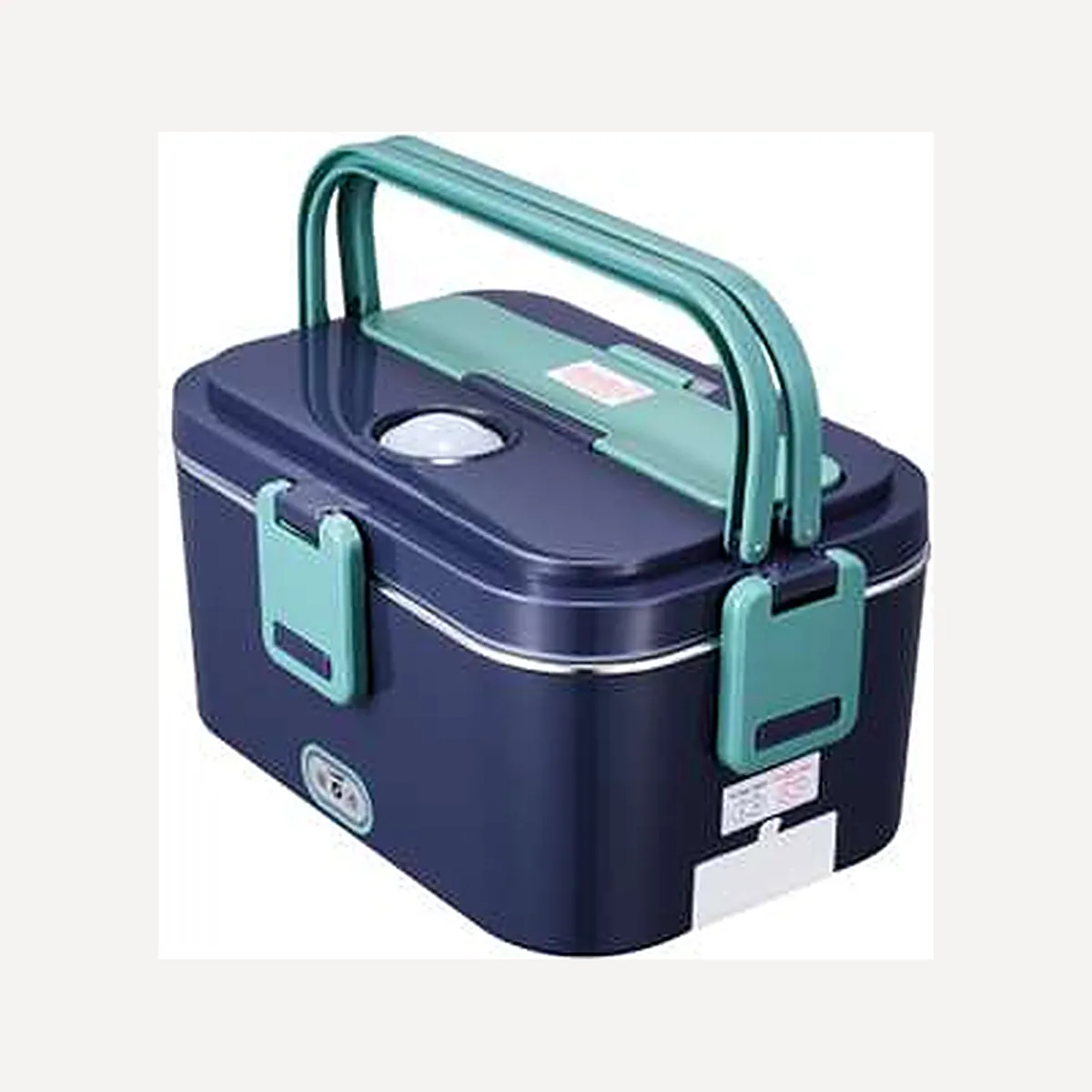
Electric Lunch Box 2.0L (ABY-328) (ABY-328)
2.0 L electric lunch box with 0.45 L dish box at 65 W, 304 stainless interior. The large-capacity model of the line.
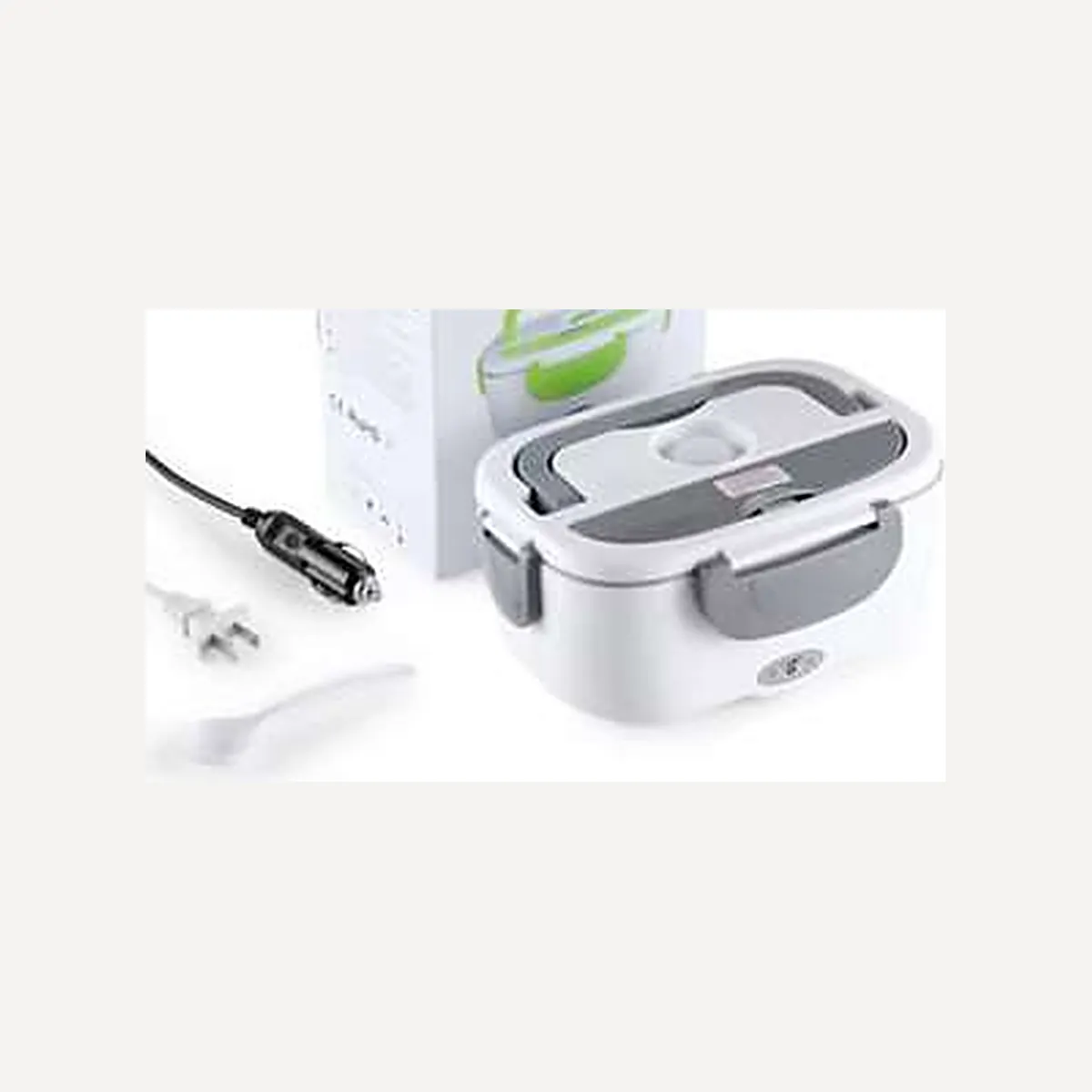
Electric Lunch Box 1.5L (DFH001) (DFH001)
1.5 L electric lunch box with 0.3 L dish box, 40 W, 304 stainless steel interior. The low-power entry of the line.
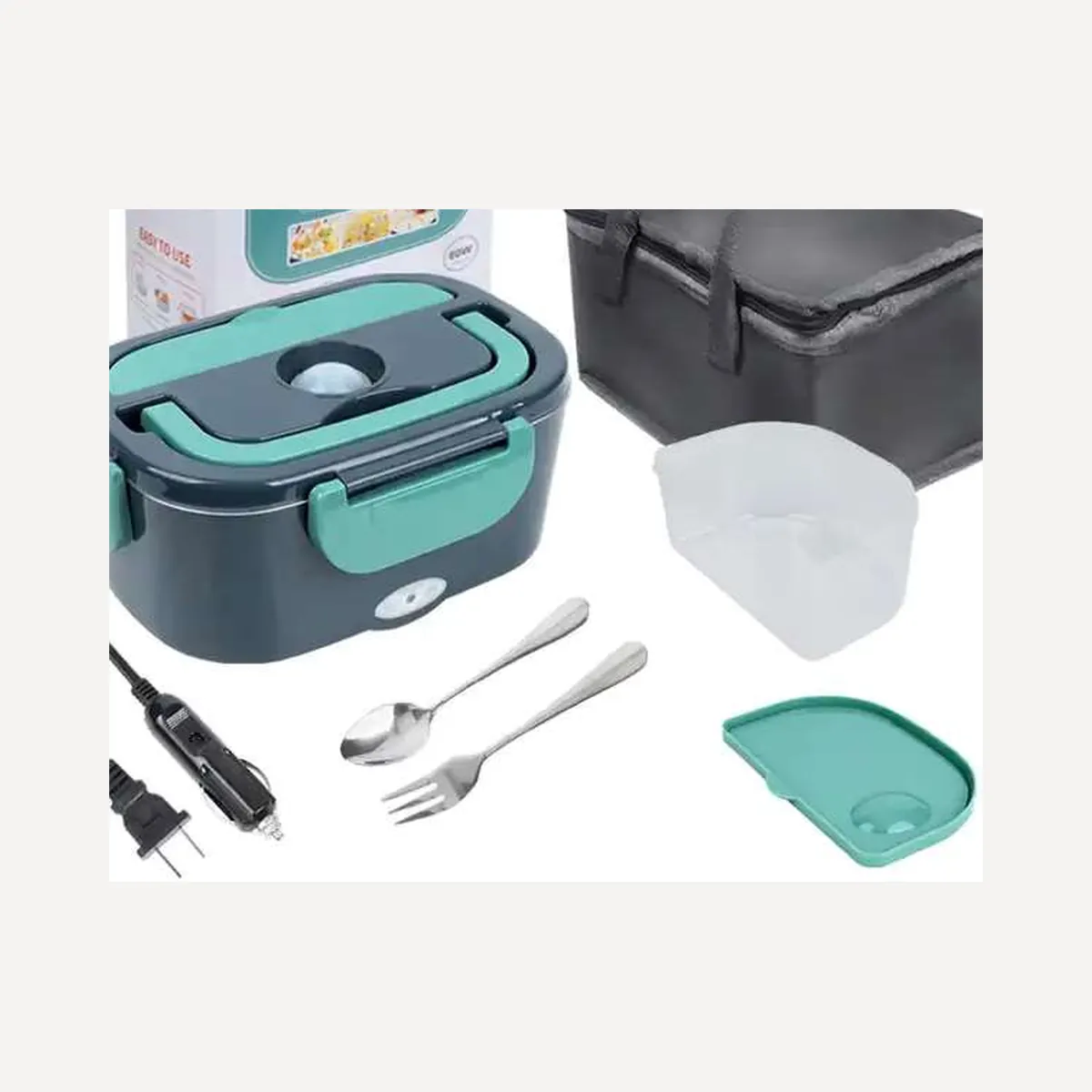
Electric Lunch Box 1.5L (JFH-208) (JFH-208)
1.5 L electric lunch box with 0.3 L dish box at 60 W, 304 stainless interior. Faster heating than the 40 W entry model.
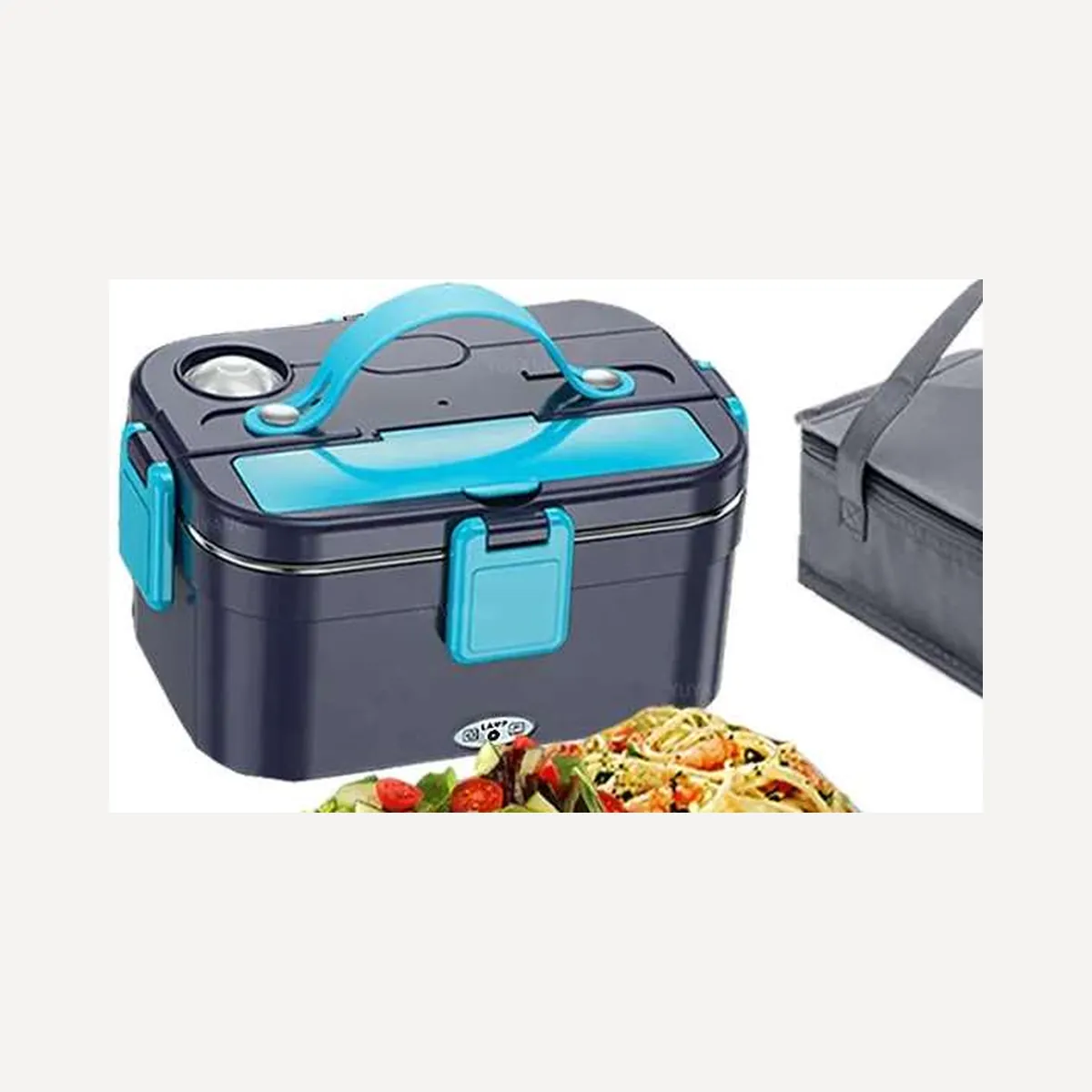
Electric Lunch Box 1.8L (KXD-638) (KXD-638)
1.8 L electric lunch box with 0.45 L dish box at 75 W — the fastest heating of the line, 304 stainless interior.
Why source electric lunch boxes from Denocook
- One factory focus on countertop cooking appliances, not a trading company catalogue.
- Logo, colour, control panel and colour box made to your brand.
- Plug, voltage and documentation matched to the destination market.
- In-line and pre-shipment inspection on every order; third-party inspectors welcome.
Buyer Guides
Electric Lunch Box Certification Requirements by Market
Electric lunch box compliance: EN 60335-2-15, UL 1026 or UL 499, 12 V and 220 V versions, steam and dry-boil tests, food-contact rules and shipping documents.
How to Import Electric Lunch Boxes from China
Voltage versions, heating power, leak-proof design and the tariff question that decides whether a 12 V lunch box belongs in a domestic appliance heading.
Electric lunch boxes we manufacture
Our electric lunch box range from the current catalogue covers the working-lunch and vehicle segments:
- DFH001 — 1.5 L, 40 W. The standard commuter platform with a removable 0.3 L dish box.
- JFH-208 — 1.5 L, 60 W. Same capacity, faster heating for office lunch breaks.
- ABY-328 — 2.0 L, 65 W. The large-capacity model with a 0.45 L dish box, aimed at driver and heavy-user channels.
- KXD-638 — 1.8 L, 75 W. Mid-to-large capacity with the highest heating power in the range.
All four use 304 stainless steel food containers, and the range includes a handbag-carrying version for commuter retail. Home and vehicle voltage versions are both part of this category — send us your channel and target specs.
One practical note for range planning: the four models share the same 304 stainless steel container system, so a programme can mix capacities in one order and keep packaging language consistent across the family. That simplifies both your marketing and your spare-parts planning.
Electric lunch box types compared
| Type | Typical capacity | Typical power | Fits these channels |
|---|---|---|---|
| Home-use commuter box | 1.5 L | 40–60 W | Office retail, e-commerce, gifting |
| Large-capacity box | 1.8–2.0 L | 65–75 W | Family retail, heavy-user programmes |
| 12 V car version | 1.5–2.0 L | 40–75 W | Automotive accessory retail, driver channels |
| 24 V truck version | 1.5–2.0 L | 40–75 W | Truck-stop retail, logistics company programmes |
| Self-heating (chemical) box | — | — | Emergency and outdoor retail; different supply chain |
Our catalogue covers the electric platforms; the 12 V / 24 V rows are the same platforms built for vehicle supply. Ask us for model-specific data on vehicle versions.
OEM and private label options
- Logo printing on the lid and base
- Custom housing colour matched to your brand reference
- Control graphics in your languages
- Container configuration: dish box capacity and dividers within the platform
- Accessory options such as the carrying handbag
- Manual languages per destination market
- Colour box design, insert and marketplace labels
- Plug type, voltage (home or vehicle) and market documentation
The dish box and seal are the parts buyers judge daily — we include them in the sample approval so the whole eating experience matches your brief. See /oem-odm/ for the process.
Market versions: plug, voltage and certification
| Market | Home voltage | Vehicle voltage | Plug type |
|---|---|---|---|
| European Union | 220–240 V | 12 / 24 V DC | Type C / E / F |
| United Kingdom | 230 V | 12 / 24 V DC | Type G |
| United States | 120 V | 12 / 24 V DC | Type A / B |
| Australia / New Zealand | 230 V | 12 / 24 V DC | Type I |
Food-contact documentation for the stainless steel container and the seal is part of the import file in every market, and vehicle versions add their own plug and cable requirements. See our market pages for the EU, UK, US and other regions.
What to check when sourcing electric lunch boxes
- Container grade and documentation. 304 stainless steel is our standard — confirm the food-contact test reports for your market before the colour box is printed.
- Heating power versus use case. 40 W suits slow keep-warm use; 60–75 W suits drivers and office workers with short breaks. Match the wattage to your customer’s real lunch break.
- Seal quality. The lid seal decides whether soup survives the commute — test it in the sample with liquid, not just dry rice.
- Dish box system. Removable 0.3–0.45 L dish boxes enable separate dishes; confirm the configuration your packaging will show.
- Voltage version discipline. Home and vehicle versions look similar but differ in plug, cable and certification — keep them clearly separated in your ordering.
- Carrying solution. The handbag version serves commuter retail; check bag material and stitching in the sample.
- Carton loading. Lunch boxes stack efficiently; confirm units per container against your launch quantity, especially if the handbag version increases box size.
From enquiry to shipment
| Step | Content | Your action |
|---|---|---|
| 1. Enquiry | Model or capacity, home or vehicle market, quantity, customisation | Send via /contact/ |
| 2. Quotation | Itemised price, specification sheet | Compare on the same basis |
| 3. Sampling | Production-intent sample with printed box | Approve or comment |
| 4. Production | Assembly, safety testing, in-line inspection | Optional third-party inspection |
| 5. Pre-shipment inspection | Sampling against the agreed plan | Witness or delegate |
| 6. Shipment | Export packing, container loading, documents | Receive document set |
Ask us for model-specific data: kendra@denocook.com · OEM & ODM details: /oem-odm/ · Quality system: /quality/
Frequently asked questions
What electric lunch box models do you manufacture?
Our catalogue lists four models: DFH001 (1.5 L, 40 W), JFH-208 (1.5 L, 60 W), ABY-328 (2.0 L, 65 W) and KXD-638 (1.8 L, 75 W). All use 304 stainless steel for the food container and include a removable dish box (0.3–0.45 L depending on model). A handbag-carrying version appears in the range for commuter programmes. Ask us for model-specific data on voltage options.
Which capacity should I import?
1.5 L models are the standard commuter size and the entry point for most ranges; 1.8–2.0 L models serve larger appetites and truck-driver channels where one container must hold a full meal plus a side. Our range covers both. A common plan is one 1.5 L hero model for retail and one 2.0 L model for the vehicle channel.
Can you supply 12 V or 24 V car versions?
Yes — vehicle voltage versions are a core segment for this category, serving drivers who heat meals in the cab. The 12 V version targets cars and light vehicles; 24 V targets trucks. Tell us your channel when you enquire, because vehicle versions differ in plug, cable length and certification from the home versions — ask us for model-specific data.
Why does 304 stainless steel matter in lunch boxes?
The food container is the part buyers touch and wash daily. 304 stainless steel is the grade commonly specified for food-contact containers, it does not retain odours the way some plastics do, and it supports a durable-product story in your listing. Our models use 304 stainless steel for the container; confirm the full food-contact documentation for your market with us.
What is the MOQ for private label lunch boxes?
MOQ depends on the model and customisation level — logo printing on a standard colour starts lower than a full brand-colour and packaging programme. Ask us for model-specific data with your target model, market (home or vehicle voltage) and quantity, and we will confirm the MOQ and price in the quotation.
Which plug and voltage versions are available?
Home versions follow the destination market: 220–240 V with Type C/E/F plugs for the EU, 230 V Type G for the UK, 120 V Type A/B for the US and 230 V Type I for Australia. Vehicle versions use 12 V or 24 V DC with the matching lighter plug. Manual languages and labelling follow the same rules; see our market pages for details.
Can the packaging be customised for e-commerce?
Yes. We customise the colour box, insert, barcode and marketplace labels, and we prepare multilingual manuals. Electric lunch boxes are compact and stack well, which keeps fulfilment costs predictable. If your programme includes the handbag-carrying version, the retail box is designed around the bag — we fix that design at the sampling stage.
How do I get a quotation and a sample?
Send the model or capacity, your market (home plug and voltage, or 12 V / 24 V vehicle), quantity and branding needs to kendra@denocook.com or via the contact page. We reply with an itemised quotation, a specification sheet and a sample plan, including a production-intent sample with your printed colour box.
Ready to source electric lunch boxes?
Send the model, target market and quantity — we reply with a quotation and sample plan.
Get a Quote